
Newsletter Subscribe
Enter your email address below and subscribe to our newsletter

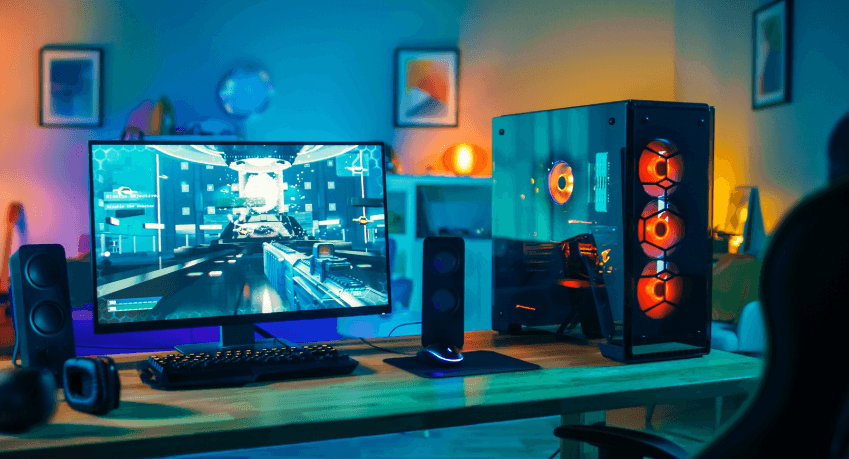
A gaming PC is a computer specifically designed to deliver high-performance gaming experiences. Unlike standard desktop computers, gaming PCs include powerful processors, dedicated graphics cards, high-speed memory, fast storage, and advanced cooling systems to run modern games smoothly. They are also widely used for content creation, video editing, programming, streaming, and other demanding tasks.
Whether you are buying your first gaming computer or upgrading your current setup, understanding the key components and features of a gaming PC can help you make an informed decision. This guide explains what a gaming PC is, how it works, its components, benefits, applications, challenges, and tips for choosing the right system.
A gaming PC is a desktop or laptop computer built to handle graphically intensive games and resource-demanding applications. It combines powerful hardware components that provide smooth gameplay, fast loading times, and high-quality visuals.
Gaming PCs are suitable for casual gamers, competitive players, professional creators, and technology enthusiasts.
The processor handles calculations, game logic, artificial intelligence, and overall system performance.
The graphics card renders images, animations, lighting, and visual effects displayed on the monitor.
RAM temporarily stores active data, allowing games and applications to run smoothly.
Solid-state drives (SSDs) and hard disk drives (HDDs) store games, operating systems, applications, and personal files.
Air or liquid cooling helps maintain safe operating temperatures during demanding workloads.
The power supply unit delivers electricity to all internal components.
A powerful processor improves overall gaming performance and multitasking.
A dedicated graphics card is one of the most important components for gaming performance.
Higher memory capacity helps run modern games and multiple applications efficiently.
Fast storage reduces game loading times and improves system responsiveness.
The motherboard connects all hardware components and supports future upgrades.
The case protects internal components while providing airflow and cable management.
Gaming PCs are designed to run modern games with smooth frame rates and detailed graphics.
Many desktop gaming PCs allow users to replace or upgrade components over time.
Gaming PCs can support high-resolution displays and multiple monitors.
Users can personalize hardware, lighting, cooling, and software settings.
Solid-state drives improve application startup and game loading speeds.
Efficient cooling systems help maintain stable performance during long gaming sessions.
Powerful hardware delivers smoother gameplay and improved visual quality.
Gaming PCs can also be used for work, education, programming, streaming, and creative projects.
Many components can be upgraded instead of replacing the entire computer.
Gaming PCs can efficiently run multiple applications simultaneously.
They support thousands of games and productivity applications across different categories.
Play a wide variety of modern games across multiple genres.
Stream gameplay to online audiences while playing games.
Edit high-resolution videos using professional creative software.
Create digital artwork, illustrations, and visual content.
Develop software, websites, mobile applications, and games.
Run machine learning experiments and artificial intelligence development projects.
Desktop gaming PCs offer excellent performance and extensive upgrade options.
Gaming laptops provide portable gaming with powerful hardware in a compact design.
Users select individual components to create a personalized system.
Manufacturers assemble complete systems that are ready to use immediately.
High-performance hardware may cost more than standard computers.
Upgrading components requires compatibility with existing hardware.
Powerful systems generate more heat and require efficient cooling.
Regular cleaning helps maintain airflow and long-term reliability.
Determine how much you are willing to spend before selecting components.
A strong graphics card significantly improves gaming performance.
Solid-state drives improve loading speeds and overall responsiveness.
Select hardware that allows future expansion and upgrades.
Proper airflow and cooling improve stability and hardware lifespan.
Choose reliable brands known for quality components and customer support.
Gaming PCs deliver powerful computing capabilities for demanding applications.
Users can customize hardware, software, lighting, and accessories.
A gaming PC supports entertainment, education, productivity, and creative work.
Upgradeable hardware can extend the useful life of the computer.
A gaming PC is a computer built with high-performance hardware designed to run modern games and demanding applications efficiently.
Yes. Gaming PCs are excellent for programming, video editing, graphic design, content creation, and many professional tasks.
The graphics card is one of the most important components for gaming performance, while the processor, memory, and storage also play significant roles.
Gaming laptops offer excellent performance and portability, while gaming desktops generally provide greater upgrade flexibility and cooling capacity.
Keep the system clean, update software and drivers regularly, monitor temperatures, maintain proper airflow, and protect it from dust and power issues.
A gaming PC is a powerful and versatile computer capable of delivering outstanding gaming performance while supporting a wide range of professional and creative applications. With high-performance processors, dedicated graphics cards, fast storage, expandable hardware, and advanced cooling systems, gaming PCs provide an exceptional experience for gamers, creators, and developers alike. By choosing the right components, planning for future upgrades, and maintaining the system properly, users can enjoy reliable performance and long-term value from their gaming PC.

